
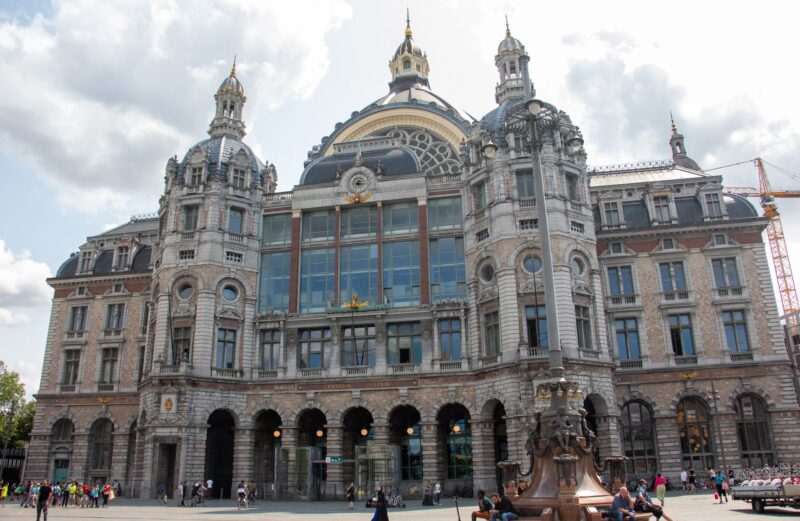
Some of the best travel memories come not from a beach or a mountain but from standing inside a building so carefully made that it feels like stepping into another century. If you’ve ever started planning a trip by researching the best transit stations to visit, you already know how a single list of grand halls can anchor an entire itinerary. Carousels, grand halls, and old transportation hubs share something in common: they were built at a time when function and beauty were expected to coexist. A trip organized around these places gives you a different kind of souvenir, one made of craftsmanship rather than snapshots.
Historic Landmarks That Double as Living Museums
 Plenty of cities hold onto buildings that once served ordinary purposes but now feel almost sacred. Old theaters, market halls, and ballrooms often survive because someone decided their woodwork or ironwork was worth saving. Visiting them is less about checking a box and more about noticing the small details: hand-painted ceilings, worn brass fixtures, or a staircase that curves just a bit more elegantly than it needs to. These spaces reward slow travelers. Instead of rushing through, it helps to linger near a window or a corner booth and imagine who might have stood there decades ago. That kind of patience tends to turn a simple visit into a story worth retelling, especially when the building has quietly outlived the industry or fashion that first made it necessary.
Carousels and Fairgrounds: Small Wonders of Craftsmanship
Carousels are easy to dismiss as children’s rides, but the good ones are miniature works of art. Hand-carved horses, mirrored centers, and mechanical organs were once the pride of entire towns. Many surviving carousels date back over a century, and their preservation often depends on volunteers who understand both woodworking and the mechanics behind each spinning figure. Seeing one in person, especially an antique model still in operation, gives a sense of scale that photographs rarely capture. The paint, the gears, and even the smell of old wood all add up to an experience that feels surprisingly intimate for something built to entertain crowds. Some towns have turned their restored carousels into the centerpiece of an annual festival, drawing visitors who come specifically to watch the old machinery turn.
Train Stations as Cathedrals of Travel
 If carousels show craftsmanship at a human scale, train stations show it on a grand one. The great stations of the nineteenth and early twentieth centuries were designed to impress, with vaulted ceilings, stained glass, and ironwork meant to rival churches of the era. Travelers who want to plan a trip around architecture rather than just destinations often start by researching notable railway halls, since a short list like that can anchor an entire itinerary without requiring much extra effort. What makes these halls worth the detour is how they still function. Unlike a museum piece behind glass, a working station lets you watch commuters hurry beneath the same arches that once welcomed steam engines.
Building a Trip Around Craft and Detail
Combining a few carousels, market halls, and grand stations into one itinerary isn’t hard, and it rarely requires long detours since many of these landmarks sit near city centers. The reward is a trip that feels layered, where each stop adds a different texture of craftsmanship rather than another checklist entry. Next time you’re mapping out a route, leave room for at least one of these older, quieter marvels. They tend to stay with you longer than anything found on a typical sightseeing list.